
Eat a Variety of Snacks to Stay Satisfied
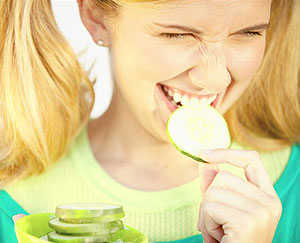
Do we want what we eat?
The study, published in the American Journal of Clinical Nutrition, included 118 healthy adults who were divided into four groups: three groups received equal calorie snacks—either hazelnuts, milk chocolate, or potato chips—to eat daily for 12 weeks, while the fourth group, as the control group, received no snacks.
The type of satisfaction the researchers were trying to measure is called sensory-specific satiety, which is unrelated to fullness, but rather has to do with the feeling that a desire for some pleasurable sensation has been fulfilled. To measure this, participants answered questions designed to evaluate their liking, desire, and sense of satisfaction before and after tasting a variety of snack foods at sessions at the beginning and end of the trial. The three test groups also answered similar questions before and after snacking on their assigned foods daily during the trial.
Tired of eating the same food
People in all of the snack groups reported liking their assigned snack foods less at the end of the study. Sensory-specific satiety after eating the assigned snack foods, but not other snack foods, diminished in the three test groups and not in the control group.
People in the chocolate group experienced the greatest drop in liking and sensory-specific satiety for their snack food, and people in the hazelnut group experienced the least change.
The desire to eat the snack food did not diminish in any of the snack groups, even though liking and satisfaction declined. In fact, when given the chance to eat their snack food freely, people in all groups ate more after the 12-week trial than they did before.
“Collectively, these results showed that repeated consumption of a food for 12 weeks led to monotony, in which the liking of the eaten food declined significantly whereas the liking for the uneaten foods remained unchanged,” the study’s authors said. “This effect was more pronounced in the chocolate group, followed by the potato chip and hazelnut groups.”
Satisfy your desire with a variety of nutritious snacks
Scientists are still learning about the ways that liking, desire, and satisfaction associated with specific foods can affect our food choices and our tendency to overeat. Information from this and other studies may lead to a better understanding of weight gain and obesity.
In the meantime, the evidence suggests that we can make choices that increase the chance that we’ll feel satisfied and not overeat:
- Vary your snack foods. This could help you avoid the monotony described in this study and lead to higher satisfaction and lower consumption.
- Choose nutritious foods. Several studies have found that people feel more satisfied after eating healthy foods like nuts and are less likely to overeat them. The opposite has been found with non-nutritious junk food.
- Eat mindfully. This means giving our full attention to the experience of eating. Try not to eat while doing other activities, and when you do sit down for your food, focus on the tastes and textures of your food, and notice the emotions and sensations eating elicits. Mindful eating helps prevent overeating and binge eating.
(Am J Clin Nutr 2012;95:1038–47)
Copyright © 2026 TraceGains, Inc. All rights reserved.